Sanding Services
Driveways and Lots That Handle Ice Safely
Sanding Services in Jackson for properties needing traction during winter weather events
Lowe and Basset provides winter sanding services in Jackson and across Waldo County for properties where ice forms quickly and traction disappears within hours of freezing conditions. Sanding creates a gritty surface layer that gives tires and footwear something to grip against smooth ice, which matters most on sloped driveways, high-traffic commercial lots, and walkways where black ice forms overnight. The service responds to storm schedules and temperature drops that turn wet pavement into slick surfaces faster than salt alone can prevent.
Winter sanding involves spreading coarse sand or sand-salt mixtures across paved and gravel surfaces to restore traction without relying solely on chemical melting. The material sits on top of ice and provides immediate grip, which works even when temperatures drop too low for salt to melt effectively. Sanding targets areas where vehicles brake, turn, or accelerate, and where foot traffic concentrates near building entries and walkway intersections.
Schedule a property evaluation to identify high-risk areas that lose traction first during winter storms.
What Sanding Accomplishes During Freezing Conditions
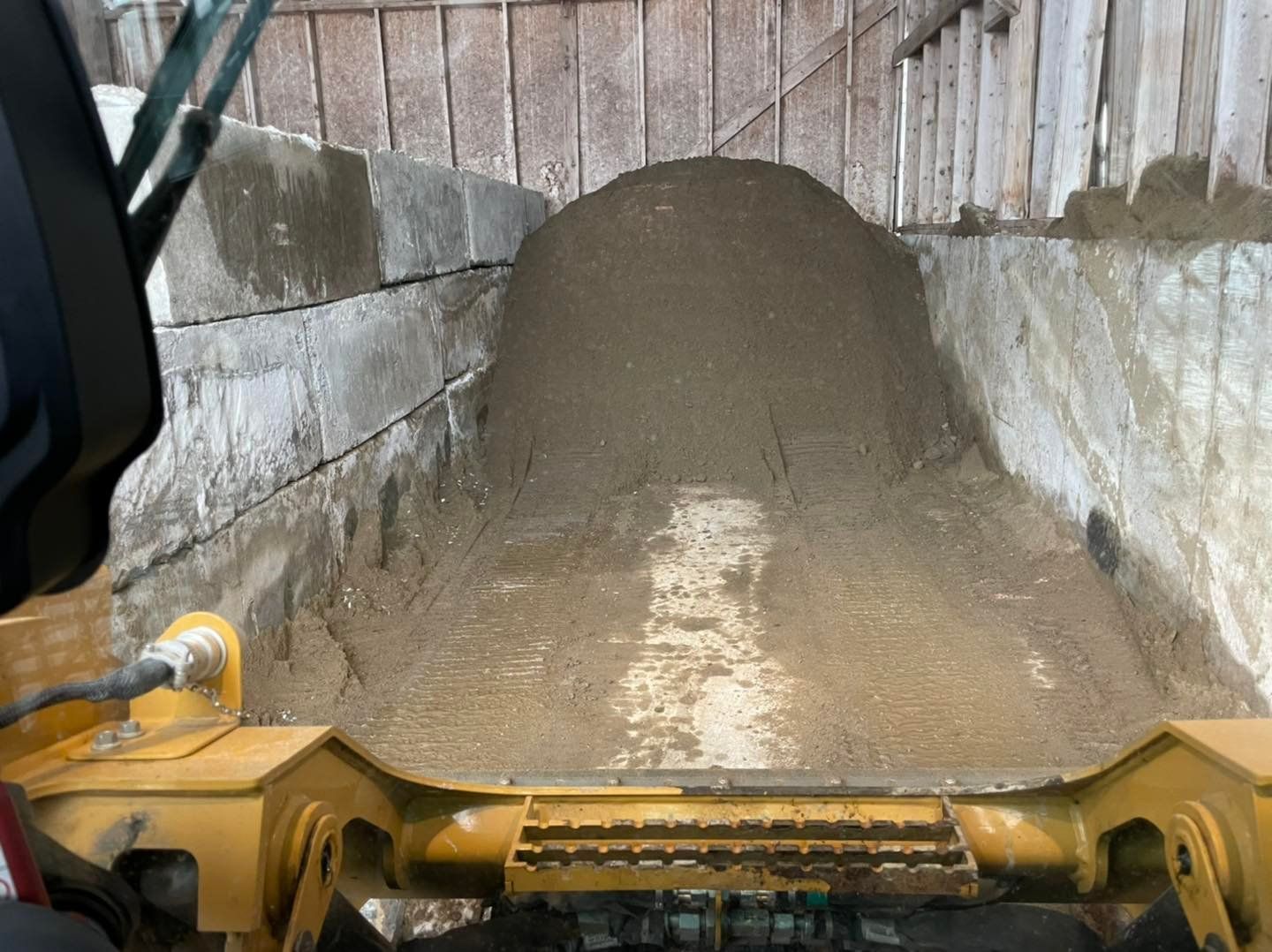
Sanding application begins with identifying surfaces where ice forms consistently and where slipping or sliding creates the highest risk. Sand is spread in layers thick enough to embed into ice surfaces and thin enough to avoid buildup that creates uneven footing. The material remains effective until it gets pushed aside by traffic or buried under new snowfall, at which point reapplication restores traction.
After sanding, you notice immediate improvement in vehicle control during braking and turning, and pedestrians gain stable footing on walkways that were previously glazed over. The gritty texture remains visible on the surface, and tire tracks no longer show the polished sheen that indicates slippery conditions. Sanding also reduces the need for constant salting, which can damage concrete edges and leach into surrounding soil over repeated winter seasons.
Sanding works best as part of a winter maintenance plan that includes snow removal and ice control, with reapplication scheduled after each significant freezing event. The service applies to both residential driveways and commercial parking lots, and timing depends on weather forecasts and real-time temperature monitoring throughout Central Maine's winter months.
What Property Owners Usually Ask
Winter sanding questions often focus on timing, material types, and how the service integrates with other ice control methods used across Waldo County properties.
How does sanding differ from salting for ice control?
Sanding provides immediate traction without chemical melting, which makes it effective in sub-zero temperatures when salt stops working. Sand stays on the surface and creates grip, while salt dissolves ice through a chemical reaction that requires temperatures above 15 degrees Fahrenheit to function reliably.
When should sanding be applied during a winter storm?
Sanding works best after ice has formed but before heavy snow covers the surface, or immediately after plowing when underlying ice remains. In Jackson, this often means applying sand during the overnight hours when temperatures drop and moisture refreezes into black ice that morning traffic will encounter.
What type of sand is used for winter traction?
Coarse sand or sand mixed with a small percentage of salt provides the best combination of grip and weight. Fine sand blows away easily, while coarser material embeds into ice and stays in place under vehicle traffic.
How often does sanding need to be reapplied?
Reapplication depends on traffic volume and subsequent weather events. High-traffic areas may need sanding every 24 to 48 hours during active winter conditions, while low-traffic residential driveways often require attention after each freezing rain or snowmelt-refreeze cycle.
Does sanding work on gravel driveways as well as paved surfaces?
Sanding improves traction on both surface types, though gravel driveways benefit less dramatically since the underlying material already provides some texture. Paved surfaces and compacted snow layers show the most noticeable improvement after sand application.
Lowe and Basset coordinates sanding with storm response schedules and seasonal service plans that address the full range of winter conditions across Central Maine. Arrange a consultation to establish a winter maintenance plan that includes sanding, ice control, and snow clearing tailored to your property's layout and exposure.