
Firewood Sales
Heating Your Home Through Maine Winters
Firewood Sales in Jackson for residential properties relying on wood heat through cold months
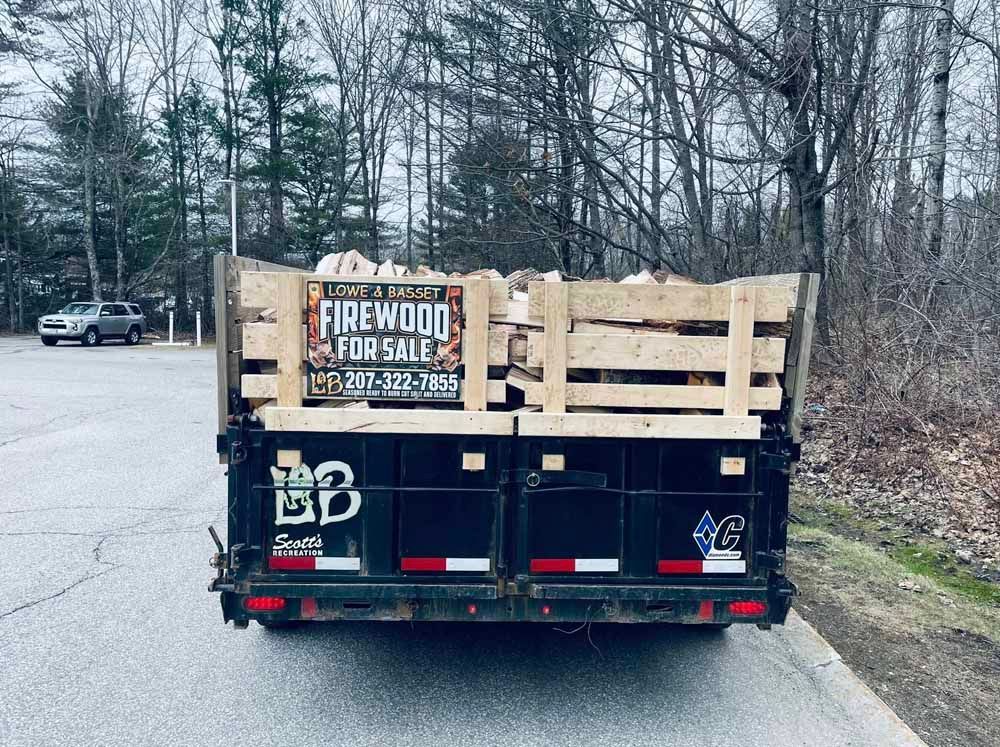
Lowe and Basset provides seasoned firewood sales in Jackson and Central Maine for homes that depend on wood stoves, fireplaces, or outdoor furnaces when temperatures drop below freezing. The wood arrives ready to burn efficiently, with moisture content low enough to produce sustained heat without excessive creosote buildup. Properties throughout this region face months where backup or primary wood heat determines whether pipes freeze or heating bills remain manageable.
Seasoned firewood has been split and dried long enough that interior moisture drops to around twenty percent or lower, allowing the wood to ignite easily and burn hot rather than smoldering. Wet or green wood produces more smoke, less heat, and accelerates chimney deposits that create fire hazards. The preparation process involves splitting logs to expose surface area, stacking them off the ground with airflow between pieces, and allowing at least six months of drying time before delivery.
Request a delivery estimate based on your heating setup and typical winter consumption patterns.
What Proper Firewood Preparation Requires
Wood that has been cut, split, and stacked through a full drying season performs differently than wood delivered green or stored improperly. The difference shows up in how quickly the fire catches, how much heat radiates from the stove, and how often you need to clean your chimney. Central Maine's humidity and temperature swings mean wood stored outdoors needs top cover but open sides so air circulation continues through fall rains and winter thaws.
After your firewood is stacked near the home, you'll notice pieces that feel lighter by weight, show cracks radiating from the center of the cut end, and produce a sharp crack rather than a dull thud when two pieces strike together. Fires start with less kindling, maintain consistent temperatures longer, and leave behind fine ash instead of half-charred logs that need constant adjustment. A full cord stacked correctly measures four feet high, four feet deep, and eight feet long, which translates to around six to eight weeks of heat for an average home using wood as a primary source.
Bulk orders offer better value when you're heating a larger space or storing wood for the entire season, while smaller loads work for supplemental heat or properties with limited storage space. Delivery scheduling matters because you want wood stacked and covered before the ground freezes, giving you time to move it closer to entry points without navigating ice or deep snow. Pickup remains an option if you have a truck and prefer to load and transport on your own timeline.
What Homeowners Ask About Firewood
Wood heat remains common throughout Central Maine, and questions about supply, delivery, and storage come up regularly before each heating season begins.
What does seasoned firewood mean and why does it matter?
Seasoned firewood has been dried for at least six months after splitting, reducing moisture content so the wood burns hotter and produces less creosote, which is the sticky residue that accumulates in chimneys and creates fire risk if it ignites.
How much firewood do I need for a full winter in Jackson?
Most homes using wood as their primary heat source burn between three and five cords per season, depending on insulation quality, square footage, and how cold you keep interior spaces during the coldest months.
When should I schedule delivery to avoid running out mid-winter?
Late summer or early fall delivery allows you to stack and cover wood before temperatures drop, giving it additional drying time and ensuring your supply is accessible before snow makes moving heavy loads difficult.
What is included with bulk delivery orders?
Delivery includes transport to your property and unloading at a location you specify, typically a driveway or yard area where you can restack the wood for long-term storage near your home.
How do I know if the wood is ready to burn when it arrives?
Ready firewood feels noticeably lighter than green wood, shows visible cracks on the cut ends, and makes a hollow sound when two pieces are knocked together rather than a dense thud.
Lowe and Basset maintains firewood inventory throughout the heating season to support homes across Central Maine that rely on wood for warmth. Arrange your delivery or pickup before demand increases and supply options narrow as winter approaches.