Salting Services
Ice Control That Works Through Winter Storms
Salting Services in Jackson for driveways and parking lots where ice forms after freezing rain and temperature swings
Ice begins forming on pavement and walkways the moment temperatures drop below freezing after rain, snowmelt, or fog settles on cold surfaces. Lowe and Basset handles salting services across Jackson and Waldo County properties where black ice and refrozen surfaces create slip hazards for vehicles and pedestrians within hours of a weather shift. Salt lowers the freezing point of water, which prevents ice from bonding to pavement and allows existing ice to break down into slush that can be plowed or swept away.
Salting involves applying sodium chloride or blended deicing agents to surfaces before or immediately after freezing conditions arrive, targeting areas where water pools, where shade prevents natural melting, and where traffic concentrates. The material dissolves into surface moisture and creates a brine layer that interrupts ice formation, which works effectively down to about 15 degrees Fahrenheit before chemical action slows significantly.
Request a site assessment to map out drainage patterns and shaded zones that require priority salting during winter weather events.
How Salting Prevents Ice Accumulation
Salt application rates vary depending on temperature, precipitation type, and whether the goal is ice prevention or active melting. Pre-treatment applies salt before a storm to create a barrier that prevents bonding, while post-storm salting breaks down ice that has already formed. The service focuses on high-traffic zones like driveway aprons, walkway slopes, and parking lot entrances where even thin ice layers cause loss of control.
You notice wet pavement instead of a glassy frozen surface, and tires maintain grip during acceleration and braking rather than spinning or sliding. Walkways stay clear enough for safe foot traffic without requiring constant shoveling, and water runoff flows freely instead of freezing into ridges along edges. Salting also reduces the frequency of mechanical snow removal since melted ice drains away rather than compacting into hard pack layers.
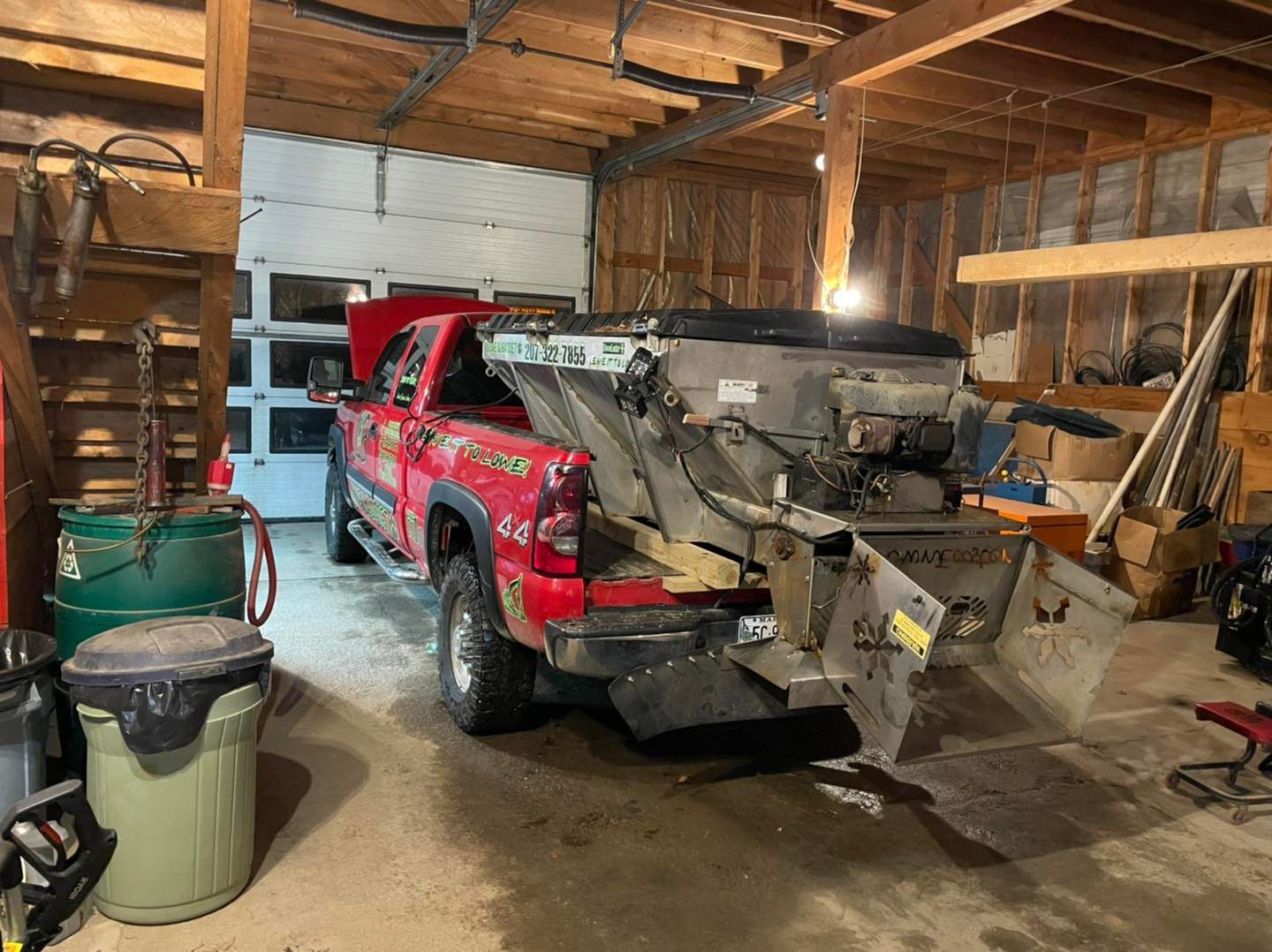
Salting schedules align with weather forecasts and real-time temperature monitoring, with reapplication triggered by new precipitation or overnight refreezing cycles. The service works for both residential driveways and commercial properties, and seasonal plans provide consistent ice control throughout Central Maine's unpredictable winter conditions without requiring individual storm callouts.
Answers to Frequent Service Questions
Salting questions often address timing, material choices, and how the service fits into broader winter maintenance strategies used across properties in Jackson and surrounding areas.
What temperature range makes salting most effective?
Rock salt works best between 20 and 32 degrees Fahrenheit, where it melts ice quickly and completely. Below 15 degrees, the chemical reaction slows dramatically, and alternative materials or sanding become more effective for traction control.
How soon should salting happen after freezing rain begins?
Salting delivers the best results when applied just before or during the early stages of freezing precipitation, which prevents ice from bonding to pavement. Once thick ice forms, salt takes longer to penetrate and requires heavier application rates to achieve the same result.
Does salt damage concrete driveways or parking lot surfaces?
Salt exposure can accelerate surface deterioration on concrete, especially newer surfaces that haven't fully cured or older concrete with existing cracks. Using the minimum effective amount and rinsing surfaces during winter thaws reduces long-term wear, and blended deicers with corrosion inhibitors offer additional protection.
How is salting different from sanding for winter safety?
Salting melts ice chemically and clears the surface, while sanding provides mechanical traction without removing ice. In Jackson, many properties use both methods depending on temperature and conditions—salt for active melting above 15 degrees, sand for traction during extreme cold.
What areas should be salted first during a winter storm?
Priority zones include sloped sections, building entryways, areas where water drains across pavement, and high-traffic routes where vehicles brake or turn. These spots freeze first and create the highest risk for accidents or falls.
Lowe and Basset builds salting schedules around your property's specific exposure and traffic patterns, with storm response plans that adjust to changing conditions throughout the winter season. Contact us to establish a winter service plan that includes salting, sanding, and snow removal tailored to your site's layout and usage.